

Q&A with Ross Kirtland: The Big Walk & Talk
- SHARE


What drew you to rugby and how did it impact your life both on and off the pitch?
I’ve always seen rugby players, especially when I was younger, as superheroes. Big, physical, skilful athletes pushing themselves to the limit. I fell in love with the game after watching England win the 2003 World Cup. I was only five or six, but I loved everything about it.
I actually started out playing football until I was about seven or eight, but because my mum was a single mum, she couldn’t take my brother to rugby and me to football every Sunday. So I switched to rugby, and it was probably the best decision I ever made.
Rugby’s given me so much more than a sport. It’s given me friendships for life, discipline, resilience, teamwork and leadership. It taught me how to sacrifice, how to deal with rejection and how to keep going when things don’t go your way. It also completely changed my life. Rugby earned me a bursary to Bradford Grammar School, scholarships at Newcastle University, and opportunities to travel to South Africa, Italy and Australia.
Looking back, what stands out most is the community. Rugby really does feel like one big family. I know I could walk into a rugby club almost anywhere in the world and be welcomed with open arms. That’s something I’ll always be grateful for.
Looking back now, were there signs you were struggling that people around you didn’t see?
Looking back, it’s quite a difficult question to answer because I’ve always been the master of the mask. I could be breaking down behind closed doors, having suicidal thoughts and planning to take my own life, then walk out the door smiling, high-fiving people and looking like I was on top of the world. I think that’s why people didn’t see it. Some people didn’t even believe me because all they saw was success.
At the time, I also thought everyone felt the way I did. I didn’t know what depression or anxiety were because there just wasn’t the education around mental health that there is today.
There were times I told people I didn’t feel right. I even told one partner I didn’t want to be alive anymore, but I was terrified of the judgement that might come from asking for help. I thought I was just too soft or too sensitive.
From the outside I was the golden boy: good grades, England rugby, opportunities, relationships. So when I talked about how I felt, people couldn’t understand it. Eventually, I started believing I was the problem because I had everything people say should make you happy, yet I still didn’t feel good enough.
Did you feel able to talk openly about mental health in rugby culture?
If I’m being honest, absolutely not.
Rugby is built on being tough, resilient and getting back up when you’re hurting. That’s what you need on the pitch. But in my era, I don’t think there was much room to be vulnerable. There was a lot of bravado, a lot of ego, and everyone was fighting for the same shirt. I repeatedly got told, “Don’t be soft,” and eventually I started saying it to myself. If I was struggling, I just thought, “Get on with it.”
I worried that if I opened up, people would think I didn’t have the mindset to make it as a professional athlete. I struggled massively with performance anxiety and perfectionism. I saw players get dropped after a couple of sessions, I got dropped from England, and I became obsessed with not making mistakes. Looking back, I wasn’t really playing for the love of the game anymore. I was playing out of fear.
I do think things are getting better. Clubs now have welfare officers, wellbeing officers and psychologists, but that just wasn’t there when I was coming through. Looking back, I wish I’d had someone I could have spoken to about what was happening off the pitch as well as on it. Even when I met a welfare officer in Australia, I still couldn’t bring myself to reach out because the shame was so strong.
That’s why I think it’s so important we keep breaking down the stigma. Being vulnerable isn’t a weakness. If anything, it’s one of the strongest things you can do.
Can you talk about what led to your mental health declining and eventually becoming homeless?
Looking back, I think I’d been struggling for a very long time. I always had anxiety, severe depression and intrusive thoughts, but I didn’t know what they were. I thought everyone felt like that. It wasn’t until I went to therapy in Australia that someone told me those thoughts weren’t normal. I’d been carrying them since I was about 12 or 13 years old.
As therapy went on, I realised there was a lot of trauma I’d never dealt with. My parents divorced when I was young, there was family dysfunction, people close to me struggling with their own mental health, and I just buried it all. At the same time, rugby stopped being something I loved and became something I was terrified of failing at. I experienced bullying from a coach, repeated injuries and constant pressure, but I just kept pushing through because that’s what I’d always done.
University was where things became really severe. I was living with constant anxiety, dissociation and suicidal thoughts, but I still avoided getting help because I was ashamed. When I moved to Australia, I eventually reached a point where I was standing on one of the most beautiful beaches in the world and feeling absolutely nothing. I couldn’t remember the last time I’d been happy. That was the moment I finally reached out, went to my GP and started therapy.
I thought I’d recovered, but when I came back to the UK I relapsed almost immediately. Within weeks I couldn’t sleep, couldn’t leave the house and every day became about surviving suicidal thoughts. Eventually my relationships broke down, I had nowhere stable to live, and I became homeless. I spent the next couple of years moving between caravans, homeless shelters and psychiatric support, just trying to stay alive.
Looking back, I don’t think homelessness was the thing that broke me. It was the result of years of untreated trauma, depression and anxiety finally catching up with me.
What was the hardest part emotionally during that time?
It’s a really difficult question because I don’t know if there are human words to describe it.
The hardest part was losing the ability to function and living in fear. From the moment I landed back in London in 2022 until I was discharged from psychiatric hospital, I lived with suicidal thoughts every day for nearly three years. Every waking moment was about surviving, and I genuinely believed I’d never have a life again.
There was also the loss of everything I’d worked for. I’d gone from playing rugby, travelling and making plans for my future to feeling like I’d never live as a functioning adult again. The family estrangement was incredibly painful too, and I was grieving the loss of time while life carried on without me.
Living in homeless shelters was emotionally exhausting. I saw things no one should have to see. There was violence, drugs, people in real crisis, and I never really felt safe. Then there was the judgement. People avoided me because I was mentally ill or homeless, looking at me as though I wasn’t the same person anymore.
When I look back now, I think that’s what hurt the most. Feeling like I’d disappeared. Like I’d lost my life, my future and the person I used to be, without knowing if I’d ever find my way back.
What do you wish people better understood about mental health and homelessness?
What I wish people understood about mental health is that it doesn’t discriminate. It doesn’t matter how much money you have, how successful you are, your age or your background. It can happen to absolutely anyone.
I also want people to know that nobody chooses this. People used to say to me, “Why are you doing this to yourself?” or, “Maybe you want this.” I didn’t want any of it. I wanted the pain to stop. The hardest thing is that, unlike a broken leg, the brokenness of the mind is often invisible.
People struggling with mental illness aren’t weak. In my experience, they’re often some of the strongest people you’ll ever meet because they’re trying to live life with a mind that’s turned against them. Mental illness affects every part of you – your memory, your energy, your ability to think and even do the simplest everyday tasks. Recovery is also rarely straightforward. It’s different for everyone.
When it comes to homelessness, I’d want people to know that not everyone sleeping rough or living in shelters fits the stereotypes. Many are living with trauma, escaping abuse, grieving, struggling with their mental health or have simply been let down when they needed help most.
More than anything, I’d want people to remember that homeless people are human beings. Many are lonely, frightened and have spent years feeling invisible. Sometimes the most valuable thing you can give isn’t money. It’s sitting down, having a conversation, asking about their life and treating them with dignity and respect.
Were there setbacks along the way and what are you proud of surviving?
There were lots of setbacks. Losing contact with most of my family was a huge one. I also lost friendships because I disappeared and simply wasn’t able to reply to people. Moving between homeless shelters, constantly changing addresses and trying to navigate the benefits and housing system when I could barely think was incredibly difficult.
Living in the shelters brought its own challenges too. There was always the fear of being told to pack your things and leave with nowhere to go. Looking back, it just felt like obstacle after obstacle, and every day was about surviving.
What am I proud of? Honestly, I’m proud to still be alive. I’m proud I survived years of depression, homelessness and a psychiatric hospital when there were times I genuinely didn’t think I’d make it.
I’ve had wobbles since, but I’ve learnt the tools to deal with them through therapy. More than anything, I’m proud that I can use my story to give other people hope. If sharing what I’ve been through helps even one person feel less alone or reach out for help, then everything I’ve survived has some purpose.
Did you encounter kindness during that period? What stayed with you?
Yeah, loads. Massive amounts.
My dad was incredible. Even when things became really difficult between us, he never stopped trying to help me. When I finally reached out again, he supported me however he could, and I’ll always be grateful for that.
There’s also a really special friend called Emma. I honestly don’t have the words for what she did for me. She sat with me for hours after work, listened without judgement, brought me food, visited me on Christmas Day, came to see me in hospital, sat in my ward reviews and, when I was allowed home leave, welcomed me into her family home. It wasn’t just kindness. It was unconditional love.
I was also incredibly lucky with one of my care coordinators, Claire. She realised I needed far more support than I was able to ask for. She stayed alongside me through homelessness, visited me in hospital and even helped me move into my council flat. I still see her now. Between Emma, Claire and my dad, they genuinely saved my life.
I think that’s what’s stayed with me most. Even in the darkest places I’ve ever been, I found extraordinary kindness. It completely changed how I see people. No matter how dark life gets, there is still love, compassion and goodness in the world.
Why did you decide to take on The Big Walk & Talk?
I’ve always loved a challenge, whether that’s rugby, marathons, ocean swims or hard physical work. Pushing myself has always been part of who I am.
But this walk is about so much more than the challenge itself. I want to use my story as a beacon of hope for people struggling with their mental health, homelessness or the effects of brain injury. I want to raise awareness, reduce stigma and encourage more people to ask for help.
Walking the length of Great Britain also gives people the chance to join me for a few miles and have honest conversations. I genuinely believe exercise, nature and human connection are some of the greatest medicines we have. If this walk encourages even one person to open up, then every step will have been worth it.
It also marks one year since I was discharged from psychiatric hospital. Less than a year ago I was relearning how to read, write, walk and communicate. Now I’m walking the length of the country. I want people to see that recovery is possible and that, even after the darkest times, there is always hope.
More than anything, I hope this walk saves lives. If I can use everything I’ve been through to give somebody else hope, then that’s exactly what I want to do.
Why was it important to partner with Head for Change?
Rugby’s been my life and I love the sport. That’s exactly why I want to help make it safer. I genuinely believe Head for Change is leading that mission, and that’s something I really wanted to be part of.
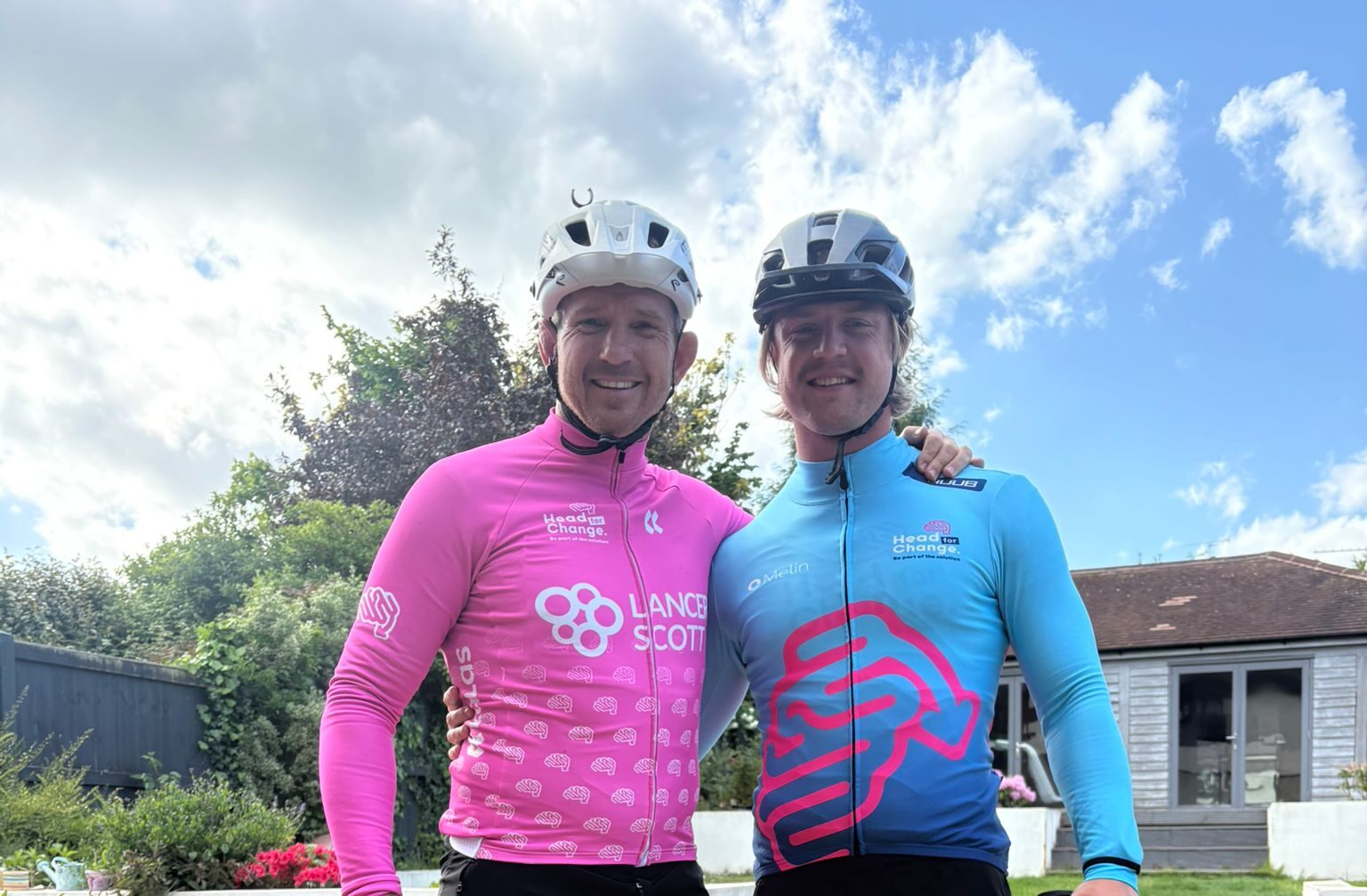
I’ve seen the impact of brain injury up close. Close friends of mine, including Dan Scarborough, are living with CTE, and getting to know Alix and Mel has made that even more real. They’ve become like family to me, and hearing their story has only strengthened my belief that something has to change.
What really inspires me about Alix is that he’s turned his pain into purpose. He could have let everything he’d been through define him, but instead he’s chosen to fight for other people. I see a lot of myself in that, and I want to do the same with my own experiences.
Head for Change is already making a real difference by supporting players and families affected by brain injury, but there’s still so much more to do. We know too many former players have gone on to struggle with their mental health or taken their own lives, and I feel very strongly that we have to keep pushing for change.
On a personal level, dementia has touched my family too, so I’ve seen how devastating these conditions can be for everyone around them. When you put all of that together, partnering with Head for Change just felt right.
What conversations do you hope this journey will start around mental health, sport and homelessness?
I hope this journey starts conversations that change how people see homelessness. It can happen to anyone, often much more quickly than people realise. I hope people see beyond the stereotypes and recognise that many homeless people have lived through unimaginable trauma and deserve compassion, dignity and support. If it encourages more people to volunteer, help others or simply treat people with more kindness, then that’s a wonderful outcome.
I also hope it encourages more people to learn about the impact contact sport can have on the brain. Head for Change is doing incredible work to raise awareness, but there are still players who don’t fully understand the risks. I love rugby and always will. I don’t want to stop people playing the game they love; I just want to help make it safer for future generations.
More than anything, I hope people see that recovery is possible. If someone is struggling with their mental health or having suicidal thoughts, I want them to know there is a life worth living on the other side of that darkness. If hearing my story gives someone the courage to tell a loved one how they’re feeling, speak to their GP or ask for help for the first time, then this journey will have been worth it.
Ultimately, I hope it helps normalise conversations about mental health, homelessness and brain injury, because the more openly we talk about them, the more lives we can change—and hopefully save.
What would you say to someone who’s struggling silently right now?
The first thing I’d do is listen. I wouldn’t try to fix them or jump in with solutions. I’d just hold space for them because, when you’re in that place, sometimes what you need most is someone who’ll simply listen without judgement and let you say the things you’ve been carrying on your own.
Then I’d tell them that what they’re experiencing doesn’t make them weak. It doesn’t make them less than, and it doesn’t make them a freak. It makes them human. I’d tell them they’re not alone, that their pain is real and valid, no matter what their mind is telling them. I’d tell them that I love them, that I’m proud of them and that they matter.
I’d tell them to keep going. As impossible as it feels, the storm doesn’t last forever. There is a life on the other side of this that’s more beautiful than they can imagine. Recovery is possible. I never believed it was, but I’m so grateful I was wrong. If I can come back from where I was, then there’s hope for other people too.
If you could speak to your younger self at your lowest point, what would you say?
I’d tell him that the storm he’s in won’t last forever, even though he can’t believe that right now. I’d tell him he’s loved more than he knows, and that I see the pain that nobody else can see.
I’d tell him that the hatred he feels towards himself, the shame and the loneliness won’t always be there. One day he’ll turn all of that pain into purpose, even though it sounds impossible.
Most of all, I’d beg him to keep going. Not to listen to the thoughts telling him to end his own life, because there is a future waiting for him that’s full of love, beauty and hope. A future where he’ll be able to help other people simply because he found the strength to survive. And I’d tell him that life is worth staying for.
What has this experience taught you about people?
It’s taught me that you never really know what someone else is carrying. So many people are fighting battles that nobody else can see. We all wear masks sometimes, and it’s easy to look at other people’s lives and think they’ve got everything figured out, when the reality is that far more people are struggling than we realise.
It’s deepened my compassion and empathy for everyone. I’ve lived parts of my life where, from the outside, it looked like I had everything, and I’ve also lived parts where I had absolutely nothing. It’s taught me that the shiny stuff doesn’t matter anywhere near as much as we think it does. What matters is human connection, kindness and the people who stay by your side when life gets hard.
It’s also shown me just how much goodness there is in the world. Even in my darkest moments, people showed me incredible love, compassion and understanding. Since leaving hospital, I’ve experienced that again through friends, strangers and people reaching out after hearing my story. It reminds me that we’re never as alone as we think we are.
More than anything, it’s taught me not to take people or life for granted. Life can change in an instant. So now I try to love people as deeply as I can, live as fully as I can and be grateful for every single day, because I know how close I came to not having any of it.
How you can get involved with The Big Walk & Talk
Walk with Ross
Join part of the route and get involved in the conversation.
Donate
Every donation helps support people affected by brain injury, mental illness and homelessness.
https://www.justgiving.com/campaign/the-big-walk-and-talk
Share Ross’s story
Help us spread the message that no one should struggle alone.
Follow Ross’s journey
Follow Ross’s progress, route updates, fundraising milestones and stories from the road via:
Instagram @rosskirtland
Instagram @HeadforChange


